IKLYL SARI


DIRECTOR PHOTOGRAPHER ARCHITECT
As Students Put Off College, Anxious Universities Tap Wait Lists
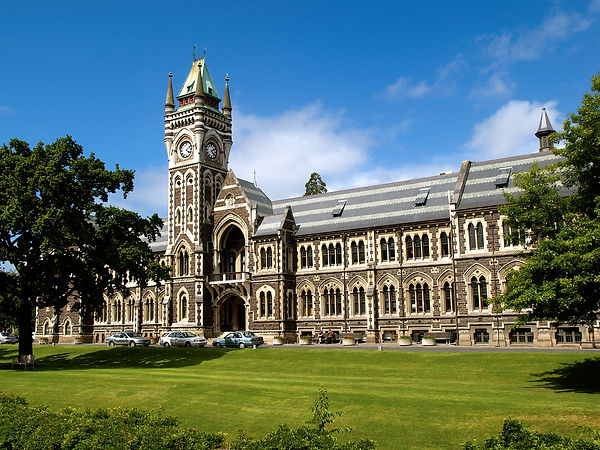
The coronavirus pandemic hit at a time when American higher education, which employs about three million people nationwide, was already suffering from a host of financial problems. Many liberal arts colleges have struggled to meet enrollment goals in recent years because of rising tuition costs, concerns about student debt and a shrinking population of young people.
Since mid-March, when colleges abruptly shut down campus operations and moved to online learning, schools have announced hundreds of millions of dollars in losses and say that a $14 billion federal aid package will not be nearly enough to keep struggling schools afloat. Executives have taken pay cuts, endowments have shrunk, hiring has been frozen and construction projects have stopped.
Colleges are particularly concerned about the loss of foreign students kept away by travel restrictions or a reluctance to leave their home countries during the pandemic. By paying full tuition, international students have helped keep universities financially afloat, subsidizing Americans who need financial aid.
Like many schools hoping that another month will help, Indiana University extended its acceptance deadline to June 1. However, no matter what universities offer, they expect fewer foreign students on campus in the fall. Last month, the American Council on Education, a trade group, projected that international enrollment would drop by 25 percent.
I believe that despite the measures colleges and universities will take, losses cannot be avoided. Unfortunately, the virus will become and is already becoming the cause of one of the largest global economic crises. It will affect all areas and education as well. Educational institutions are forced to look for new forms of teaching, which, unfortunately, cannot be suitable for all students. Campuses will lose students, students will not be able to pay huge sums for their education, and the quality of the knowledge gained can be significantly affected.